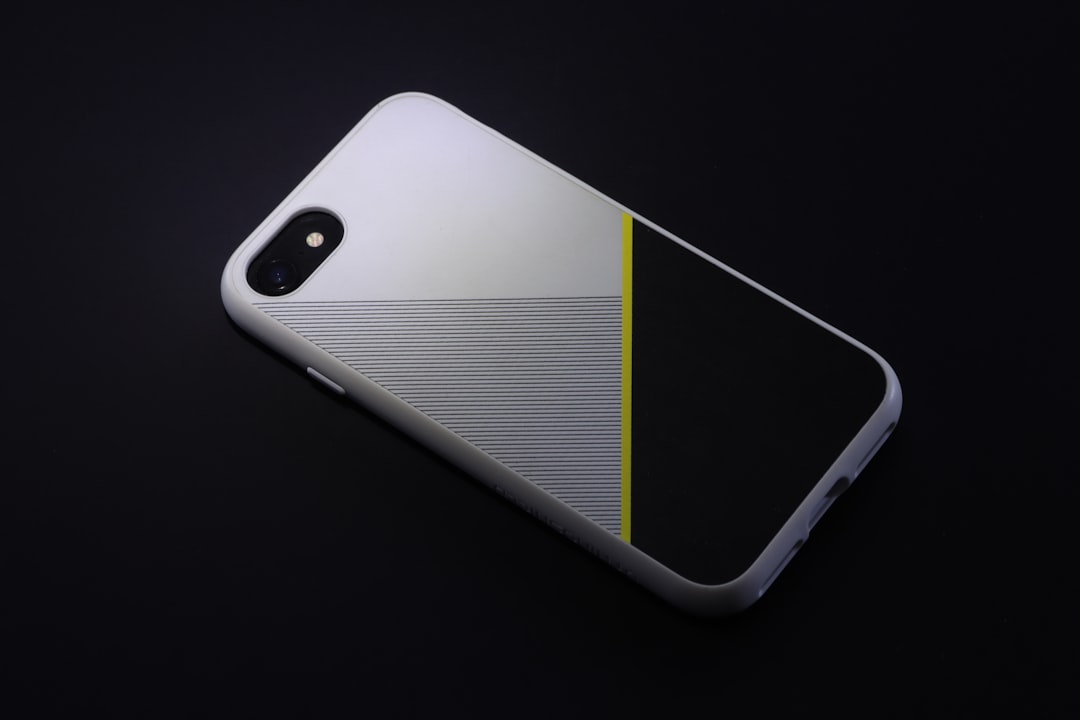
The phone case industry has evolved dramatically in recent years, with manufacturers constantly innovating to provide better protection, improved aesthetics, and enhanced sustainability. Understanding the materials available helps you make informed decisions about protecting your valuable device.
The Evolution of Phone Case Materials
Phone cases have come a long way from basic rubber sleeves. Today's materials incorporate advanced polymer science, sustainable practices, and innovative manufacturing techniques. The choice of material significantly impacts protection level, durability, environmental footprint, and overall user experience.
TPU (Thermoplastic Polyurethane)
TPU remains one of the most popular materials for phone cases in 2025. This versatile polymer combines the best properties of plastic and rubber, creating a material that's both flexible and durable. TPU cases excel at shock absorption, making them excellent for drop protection.
Benefits of TPU
TPU offers exceptional flexibility without compromising structural integrity. The material naturally returns to its original shape after stress, providing consistent protection over time. Its soft texture improves grip, reducing the likelihood of accidental drops. TPU is also resistant to oils, greases, and many chemicals, ensuring longevity even with regular use.
Modern TPU formulations include anti-yellowing additives that maintain the case's appearance. Clear TPU cases no longer turn unsightly yellow after months of use, a common problem with earlier versions. The material also provides excellent edge protection, with raised bezels that guard against screen and camera damage.
Drawbacks of TPU
Despite its advantages, TPU has limitations. The material can attract dust and lint more readily than harder plastics. Some users find TPU cases slightly sticky or tacky to the touch, though premium variants minimize this issue. TPU also offers less scratch resistance compared to harder materials like polycarbonate.
Polycarbonate
Polycarbonate, a rigid thermoplastic, provides a completely different protection approach. This material is incredibly strong and scratch-resistant, making it ideal for users who prioritize maintaining their phone's pristine appearance. Polycarbonate cases typically feature hard shells that don't flex or bend.
Advantages of Polycarbonate
The primary benefit of polycarbonate is superior scratch resistance. These cases maintain their appearance even after months in pockets or bags alongside keys and coins. Polycarbonate accepts vibrant colors and detailed prints beautifully, allowing for stunning visual designs that don't fade over time.
The material's rigidity provides excellent structural protection, preventing phone flex that could damage internal components. Polycarbonate cases are also lightweight, adding minimal bulk to your device. The smooth surface feels premium and slides easily in and out of pockets.
Limitations of Polycarbonate
Polycarbonate's rigidity can be a double-edged sword. While it prevents scratches, it doesn't absorb shock as effectively as softer materials. A hard impact can transfer force directly to your phone, potentially causing internal damage even if the case remains intact. The material can also become brittle over time, especially with exposure to UV light.
Hybrid Materials
Recognizing that no single material is perfect, manufacturers increasingly combine materials to create hybrid cases. These typically feature a hard polycarbonate outer shell with a soft TPU inner layer, providing the benefits of both materials.
Why Hybrid Cases Excel
Hybrid construction offers comprehensive protection. The hard outer shell resists scratches and provides structural rigidity, while the soft inner layer absorbs shock from drops. This combination protects against a wider range of threats than single-material cases.
Many hybrid cases incorporate air-cushion technology in the corners, where phones typically impact first during drops. These air pockets compress upon impact, dissipating force before it reaches your device. The dual-layer construction also allows for creative designs with contrasting colors or textures.
Silicone
Pure silicone cases have loyal followings due to their unique feel and excellent grip. This material provides a soft, smooth texture that's comfortable to hold for extended periods. Silicone is completely flexible and extremely shock-absorbent.
Silicone's Unique Properties
Silicone offers the best grip among common case materials. The slightly tacky surface prevents phones from sliding off surfaces, a major cause of accidental drops. Silicone is also hypoallergenic and resistant to bacteria growth, important considerations for items in constant contact with our hands and faces.
The material withstands extreme temperatures without degrading, maintaining flexibility in both cold and hot environments. Silicone cases are also incredibly easy to clean, simply requiring soap and water to remove dirt and grime.
Silicone Considerations
Silicone attracts dust and lint like a magnet, requiring frequent cleaning to maintain appearance. The material can also stretch over time, leading to a loose fit that reduces protection effectiveness. Premium silicone cases minimize these issues through specialized formulations, but they come at higher price points.
Genuine Leather
For users who prioritize style alongside protection, genuine leather remains unmatched. Leather cases exude sophistication and develop unique character through use. Each case develops a patina that reflects its individual usage pattern.
The Leather Experience
High-quality leather feels luxurious in hand, providing a premium experience every time you use your phone. The material naturally repels water to some degree, offering basic protection against spills. Leather also provides reasonable shock absorption while maintaining a slim profile.
Many leather cases feature additional functionality like wallet designs with card slots, eliminating the need to carry a separate wallet. The material ages beautifully, looking better with time unlike synthetic alternatives that simply deteriorate.
Leather Limitations
Genuine leather costs significantly more than synthetic materials, making these cases premium purchases. The material requires more maintenance than plastic alternatives, needing occasional conditioning to prevent drying and cracking. Leather also provides less impact protection than specialized synthetic materials designed specifically for shock absorption.
Eco-Friendly Materials
Environmental consciousness has driven innovation in sustainable phone case materials. Manufacturers now offer cases made from biodegradable plastics, recycled materials, and plant-based alternatives that provide adequate protection while minimizing environmental impact.
Plant-Based Bioplastics
Modern bioplastics derived from corn starch, bamboo fiber, or wheat straw offer surprisingly good protection while being compostable at end of life. These materials have improved dramatically in recent years, now matching conventional plastics in durability and protection level.
Bioplastic cases feel similar to traditional plastic but break down naturally when composted, unlike petroleum-based plastics that persist for centuries. Many bioplastic cases also incorporate natural fibers that create unique textures and patterns, ensuring no two cases look identical.
Recycled Plastic Cases
Cases made from recycled ocean plastic or post-consumer waste give new life to materials that would otherwise pollute our environment. These cases perform identically to virgin plastic cases while contributing to cleanup efforts. Some manufacturers even track the amount of plastic removed from oceans for each case sold.
Aramid Fiber
Aramid fiber represents the cutting edge of phone case materials. This synthetic fiber, used in bulletproof vests and aerospace applications, provides exceptional strength-to-weight ratios. Aramid fiber cases are incredibly thin yet remarkably protective.
Aramid Advantages
These cases add minimal bulk while providing excellent protection against impacts and scratches. The material's distinctive woven pattern creates a high-tech aesthetic that appeals to tech enthusiasts. Aramid fiber is also heat-resistant and doesn't interfere with wireless signals.
The material maintains its properties across wide temperature ranges and doesn't degrade with UV exposure. Aramid cases represent the ultimate choice for users who want maximum protection with minimum bulk.
Aramid Considerations
Premium materials command premium prices, and aramid fiber cases cost significantly more than conventional alternatives. The manufacturing process is also complex, limiting color and design options compared to plastic cases. However, for users who prioritize performance above all else, aramid fiber delivers unmatched results.
Metal Cases
Aluminum and other metals provide the ultimate in rigid protection. Metal cases essentially create an exoskeleton for your phone, protecting it from even severe impacts. These cases appeal to users who need maximum security regardless of added weight.
Metal Case Benefits
No material provides better impact protection than properly designed metal cases. They prevent phone flex and distribute impact forces across the entire case structure. Metal cases also offer excellent heat dissipation, potentially improving phone performance during intensive tasks.
The premium feel of metal appeals to users who appreciate quality materials. These cases make a statement about valuing protection and quality over convenience.
Metal Drawbacks
Metal cases add significant weight and bulk to phones. They can also interfere with wireless signals, potentially affecting reception and wireless charging. The rigid structure makes installation and removal more difficult than flexible cases. Metal cases also conduct heat, which can make phones uncomfortable to hold during charging.
Choosing Your Ideal Material
Selecting the right material depends on your priorities and usage patterns. Consider these factors when making your decision:
For maximum drop protection, choose TPU or hybrid cases with reinforced corners. If scratch resistance is paramount, select polycarbonate or aramid fiber. Environmental considerations point toward bioplastic or recycled materials. Style-conscious users will appreciate leather, while tech enthusiasts gravitate toward aramid fiber's high-tech aesthetic.
Your environment also matters. Outdoor workers need rugged materials like TPU or hybrid construction. Office professionals might prefer slim leather or polycarbonate cases. Active individuals benefit from silicone's superior grip.
Material Care and Maintenance
Different materials require different care approaches. TPU and silicone cases clean easily with soap and water but should be removed periodically to clean both case and phone. Polycarbonate cases can be wiped with slightly damp cloths, avoiding harsh chemicals that might cloud the surface.
Leather cases benefit from occasional conditioning with leather care products. Avoid getting leather cases excessively wet, as this can cause staining and damage. Eco-friendly materials typically clean like their conventional counterparts but check manufacturer recommendations for specific guidance.
Future Material Innovations
The phone case industry continues evolving rapidly. Researchers are developing self-healing materials that automatically repair minor scratches and dents. Smart materials that change properties based on impact forces are in development, becoming rigid only when protection is needed.
Biodegradable materials continue improving, with next-generation bioplastics matching or exceeding conventional plastics in every performance metric. The future promises cases that protect better while treading lighter on our planet.
Conclusion
The best phone case material depends entirely on your individual needs and preferences. TPU and hybrid cases offer the best all-around protection for most users. Polycarbonate suits those prioritizing scratch resistance and design options. Eco-conscious consumers have excellent sustainable options that don't compromise protection.
Leather appeals to style-focused users willing to invest in premium materials, while aramid fiber satisfies tech enthusiasts wanting cutting-edge protection. Whatever material you choose, ensure it comes from reputable manufacturers who stand behind their products. Quality materials properly manufactured provide the protection your expensive device deserves.