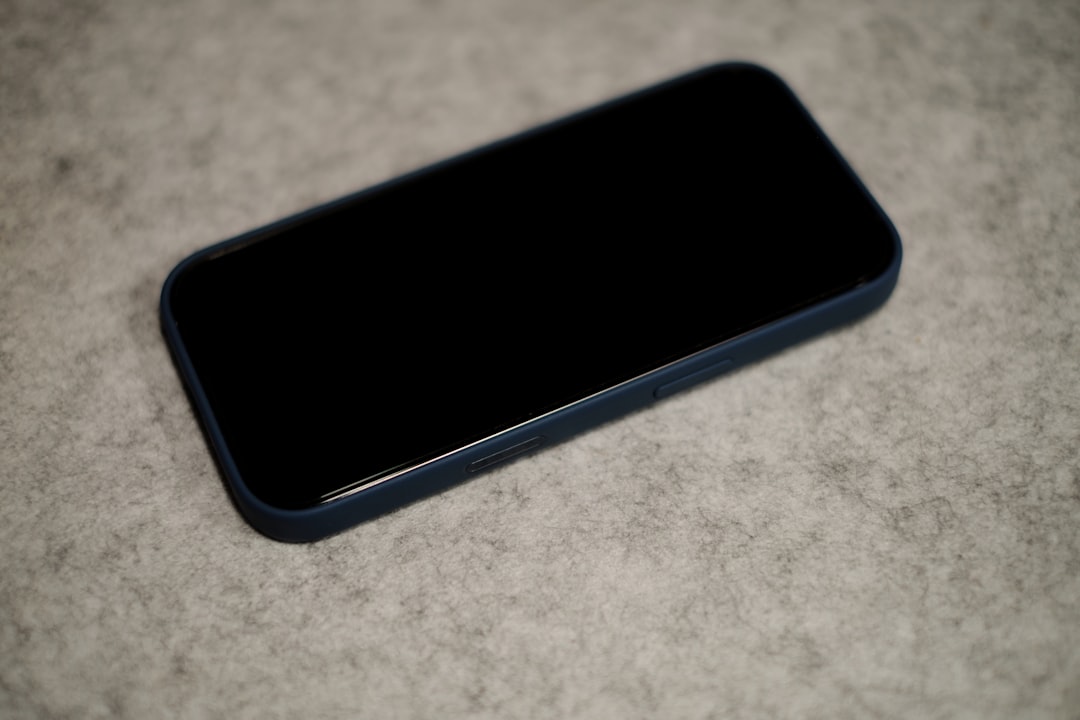
Your phone's screen is its most vulnerable component, making screen protectors an essential accessory. But with two main types available, how do you choose between tempered glass and film protectors? This comprehensive guide breaks down everything you need to know.
Understanding Screen Protector Technology
Screen protectors serve as a sacrificial layer that absorbs impacts and prevents scratches on your phone's display. Both tempered glass and film protectors aim to achieve this goal, but they use different approaches with distinct advantages and trade-offs.
Tempered Glass Screen Protectors
Tempered glass protectors are made from multiple layers of glass that have been heat-treated for extra strength. They typically range from 0.3mm to 0.5mm in thickness and are designed to shatter upon impact, dissipating the force that would otherwise damage your screen.
Advantages of Tempered Glass
The primary benefit of tempered glass is superior impact protection. When you drop your phone, the glass protector absorbs the shock and cracks instead of your screen. This sacrificial layer can save you hundreds in repair costs. The glass surface also feels remarkably similar to your phone's original screen, providing a premium touch experience with smooth swiping and accurate touch response.
Tempered glass protectors maintain excellent clarity with minimal effect on screen brightness or color accuracy. They're also easier to install than film protectors, with many featuring alignment tools and automatic bubble removal. The rigid structure of glass means fewer installation errors and a cleaner final result.
Disadvantages of Tempered Glass
Glass protectors add noticeable thickness to your phone, which can affect case compatibility. The edges of glass protectors can also chip if struck directly, and they're generally more expensive than film alternatives. Some glass protectors don't adhere well to curved screens, creating annoying gaps around the edges.
Film Screen Protectors
Film protectors, also known as PET or TPU protectors, are thin plastic sheets that adhere to your screen. They're incredibly thin, typically measuring 0.1mm to 0.2mm, making them virtually invisible once applied.
Advantages of Film Protectors
Film protectors excel at scratch protection while adding minimal thickness to your device. They're highly flexible, making them perfect for phones with curved or edge-to-edge displays. This flexibility also means they're more forgiving during installation, allowing you to reposition them if needed.
The thin profile ensures compatibility with virtually any phone case, and they're generally more affordable than glass protectors. Film protectors can also self-heal minor scratches over time thanks to the elastic properties of TPU variants. They're also lighter, making them ideal for users who prioritize device weight.
Disadvantages of Film Protectors
While excellent for scratches, film protectors offer less impact protection than tempered glass. They won't prevent your screen from cracking if you drop your phone from significant height. The plastic surface can feel different from glass, potentially affecting touch sensitivity and smoothness. Film protectors are also more prone to showing fingerprints and smudges.
Installation can be trickier than glass, requiring careful application to avoid bubbles and dust particles. The adhesive used in film protectors can sometimes leave residue when removed, though quality products minimize this issue.
Protection Level Comparison
When it comes to overall protection, tempered glass clearly wins for impact resistance. Drop tests consistently show that glass protectors effectively prevent screen damage from falls up to six feet. They're rated for hardness levels between 8H and 9H on the Mohs scale, providing excellent scratch resistance against keys, coins, and other everyday objects.
Film protectors, while offering good scratch protection rated around 3H to 4H, simply cannot match glass for impact absorption. However, for users primarily concerned about scratches rather than drops, film protectors provide adequate protection at a lower cost.
Installation Process
Tempered glass protectors typically include installation kits with cleaning wipes, dust removers, and alignment guides. The installation process is straightforward: clean your screen thoroughly, align the protector using the provided guide, and let it adhere automatically. Most bubbles disappear within 24 hours, and any remaining ones can be pushed out gently.
Film protectors require more patience and skill. You'll need to work in a dust-free environment, carefully peel back the protective layer while applying the protector inch by inch, using a credit card to smooth out bubbles as you go. The learning curve is steeper, but experienced users can achieve bubble-free results.
Longevity and Durability
A quality tempered glass protector typically lasts six months to a year under normal use. However, a single significant impact will necessitate immediate replacement, as a cracked protector no longer provides adequate protection and can affect touch sensitivity.
Film protectors generally last longer, potentially remaining effective for a year or more. They gradually accumulate minor scratches but continue protecting your screen throughout their lifespan. The self-healing properties of TPU film can even reduce the visibility of minor scratches over time.
Touch Sensitivity and Screen Clarity
Premium tempered glass protectors maintain excellent touch sensitivity, with most users reporting no noticeable difference from using an unprotected screen. The glass surface allows smooth, responsive touch interaction essential for gaming and precise work.
Film protectors can slightly reduce touch sensitivity, particularly with thicker variants. However, modern high-quality film protectors have minimized this issue. Some users report a slightly "stickier" feel when swiping compared to glass, though this is largely subjective and depends on the specific product.
In terms of clarity, both types can maintain over 99% transparency when properly applied. Glass protectors typically have a slight edge in maintaining color accuracy and screen brightness, but the difference is marginal with quality products.
Price Considerations
Film protectors are generally more budget-friendly, with decent options available for under ten pounds. You can often find multi-packs that provide excellent value, especially if you replace your protector regularly.
Tempered glass protectors range from fifteen to forty pounds, depending on brand and features. While more expensive upfront, the superior protection can save money by preventing costly screen repairs. Consider the investment relative to your phone's value and your usage patterns.
Special Features
Modern screen protectors offer various special features beyond basic protection. Privacy glass protectors darken your screen when viewed from angles, protecting sensitive information in public spaces. Anti-glare coatings reduce reflections for better outdoor visibility. Blue light filtering protectors claim to reduce eye strain during extended use, though scientific evidence for this benefit remains mixed.
Some premium options include oleophobic coatings that resist fingerprints and smudges, keeping your screen cleaner longer. Self-healing TPU films can repair minor scratches automatically through heat or time. These features typically command premium prices but can enhance your overall user experience.
Environmental Considerations
Screen protectors contribute to electronic waste, making environmentally conscious choices important. Some manufacturers now offer biodegradable film protectors or recycling programs for used glass protectors. Consider these factors when making your purchase decision, and properly dispose of old protectors according to local e-waste guidelines.
Making Your Choice
The ideal screen protector depends on your priorities and usage patterns. Choose tempered glass if you prioritize maximum impact protection, prefer a premium glass feel, and don't mind the added thickness and cost. Glass protectors are perfect for users who frequently drop their phones or work in environments where impacts are likely.
Select a film protector if you have a curved screen phone, need complete case compatibility, prioritize device thinness, or operate on a tighter budget. Film protectors work well for careful users primarily concerned about scratches rather than major impacts.
Conclusion
Both tempered glass and film screen protectors have their place in phone protection. Tempered glass offers superior impact protection and a premium feel, while film protectors provide excellent scratch protection in an ultra-thin package. Assess your needs, budget, and phone model to make the right choice. Remember, any screen protector is better than none, and either option will significantly extend your phone's screen lifespan compared to going unprotected.
Consider keeping both types on hand, using tempered glass for daily protection and switching to a film protector when maximum thinness is required. Whatever you choose, replace your protector when it shows significant wear to maintain optimal protection for your device.