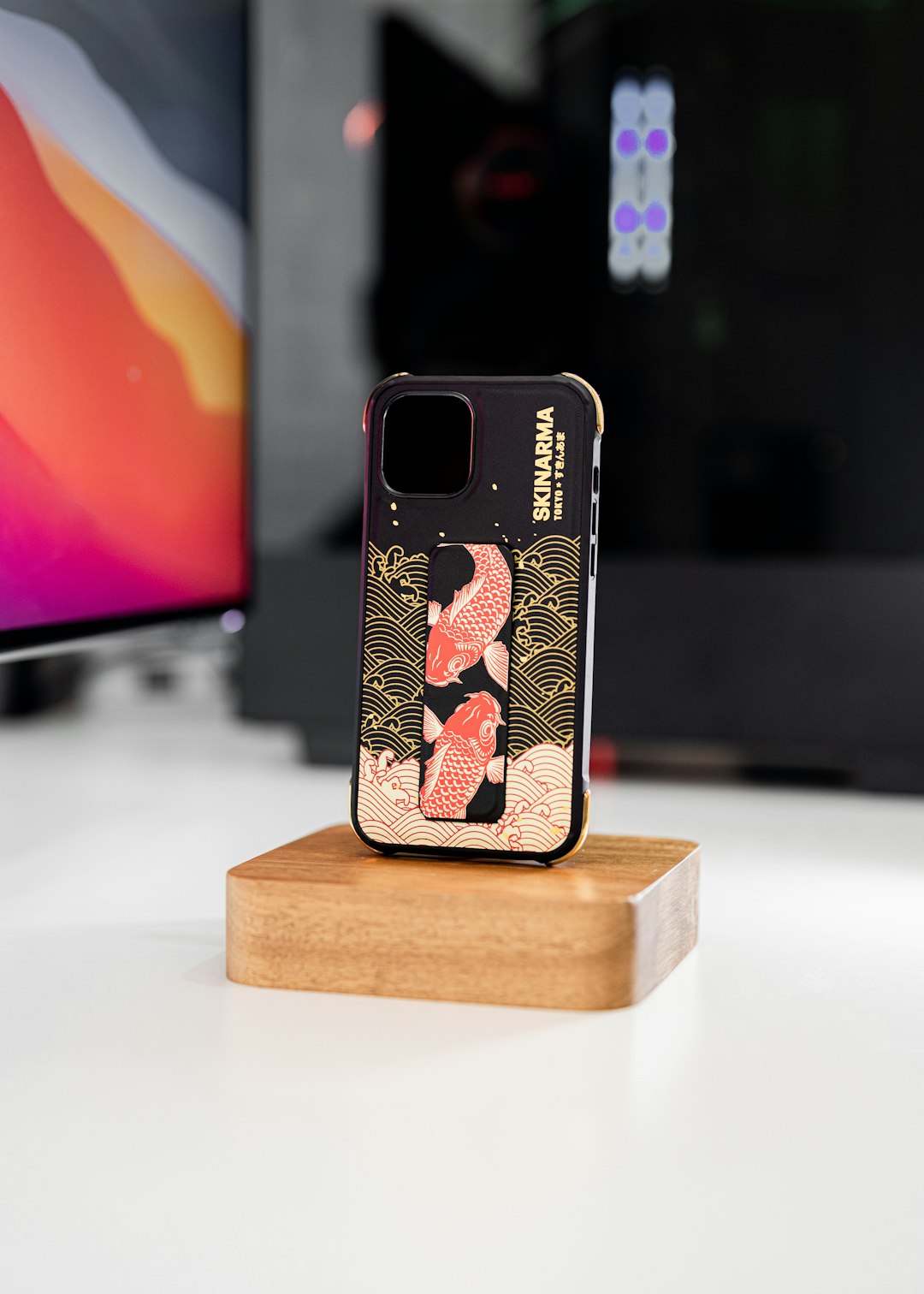
Your phone case protects your device daily from drops, scratches, dirt, and bacteria. But who protects the protector? Regular cleaning and maintenance keep your case looking fresh, functioning properly, and extending its protective lifespan. This comprehensive guide covers cleaning techniques for every case material.
Why Clean Your Phone Case?
Phone cases accumulate more than just visible dirt. Studies show that phone cases harbor millions of bacteria, often more than toilet seats. Regular cleaning eliminates harmful microorganisms, prevents material degradation, maintains appearance, and ensures optimal protection performance.
Dirt and debris can work their way between your case and phone, potentially causing scratches. Oils from your hands can degrade certain materials over time, while accumulated grime affects grip and tactile feel. Regular maintenance prevents these issues while keeping your case hygienic.
General Cleaning Guidelines
Before diving into material-specific instructions, follow these universal best practices. Always remove your phone from the case before cleaning. Never submerge your phone with the case on, even for waterproof cases. Work in a clean area free from dust and debris.
Use gentle cleaning methods first, escalating to stronger solutions only if necessary. Avoid abrasive materials that might scratch surfaces. Allow cases to dry completely before reinstalling your phone. Test any cleaning solution on a small, inconspicuous area first.
Cleaning Silicone and TPU Cases
Silicone and TPU cases are among the easiest to clean thanks to their water resistance and flexibility. These materials tolerate soap and water well without degrading.
Basic Cleaning
Remove the case from your phone. Rinse with warm water to remove loose debris. Mix a few drops of mild dish soap with warm water. Use a soft cloth or soft-bristled brush to scrub the entire case, paying special attention to corners and textured areas where dirt accumulates. Rinse thoroughly with clean water, ensuring all soap residue is removed. Shake off excess water and pat dry with a lint-free cloth. Allow to air dry completely before reinstalling.
Deep Cleaning for Stains
For stubborn stains or yellowing, create a paste with baking soda and water. Apply the paste to stained areas and gently scrub with a soft brush. Let it sit for 5-10 minutes before rinsing thoroughly. For severe discoloration, soak the case in a solution of warm water and oxygen-based bleach for 30 minutes, then rinse thoroughly.
Preventing Yellowing
Clear silicone cases inevitably yellow over time, but you can slow the process. Keep cases away from direct sunlight when not in use. Clean regularly to prevent dirt accumulation that accelerates yellowing. Apply a thin layer of mineral oil occasionally to temporarily restore clarity. Consider replacing clear cases annually as part of routine maintenance.
Cleaning Polycarbonate and Plastic Cases
Hard plastic cases require gentle handling to avoid scratching clear surfaces or printed designs. These cases clean easily but show scratches more readily than flexible materials.
Regular Maintenance
Wipe the case with a slightly damp microfiber cloth daily to prevent buildup. For weekly deep cleaning, mix mild soap with water and wipe the case with a soft cloth. Avoid soaking, as water can seep behind printed designs or labels. Dry immediately with a clean microfiber cloth to prevent water spots.
Removing Scratches
Minor scratches on clear plastic cases can sometimes be minimized. Apply a small amount of plastic polish or automotive scratch remover to a microfiber cloth. Rub gently in circular motions over the scratched area. Wipe clean with a fresh cloth. This won't remove deep scratches but can reduce the appearance of fine scratches.
What to Avoid
Never use abrasive cleaners, rough cloths, or scrub brushes on plastic cases. Avoid alcohol-based cleaners that can cloud clear plastic. Don't use window cleaners containing ammonia, which can damage plastic finishes. Skip paper towels that can leave fine scratches.
Cleaning Leather Cases
Leather requires special care to maintain its beauty and prevent damage. Both genuine and faux leather benefit from regular maintenance but use different techniques.
Genuine Leather Care
Brush off surface dirt with a soft, dry cloth weekly. For deeper cleaning, use a specialized leather cleaner. Apply a small amount to a soft cloth and gently wipe the leather surface. Follow with leather conditioner every few months to prevent drying and cracking. Apply conditioner sparingly and buff with a clean cloth. Allow leather to air dry naturally, never using heat sources that can cause cracking.
Faux Leather Maintenance
Faux leather tolerates mild soap and water better than genuine leather. Mix a solution of mild soap and water. Dampen a cloth and wring it out thoroughly. Wipe the case gently, avoiding saturation. Dry immediately with a clean cloth. Apply vinyl protectant occasionally to maintain appearance and flexibility.
Treating Stains on Leather
For ink stains, try rubbing alcohol applied sparingly with a cotton swab. For oil stains, sprinkle cornstarch on the spot and let sit overnight to absorb the oil. For water stains, dampen the entire leather surface evenly and let dry naturally. This prevents water rings from forming.
Cleaning Fabric and Canvas Cases
Fabric cases absorb dirt and stains readily, requiring more frequent cleaning than other materials. However, most fabric cases clean quite easily.
Spot Cleaning
Address stains immediately for best results. Blot liquid spills with a clean cloth, never rubbing. Mix mild detergent with cold water. Dampen a cloth with the solution and blot the stained area. Rinse by blotting with a cloth dampened with clean water. Press with a dry towel to remove excess moisture. Air dry completely.
Deep Cleaning
Some fabric cases tolerate gentle machine washing, but always check manufacturer guidelines first. If machine washable, use cold water and gentle cycle. Place the case in a mesh laundry bag for protection. Use mild detergent without bleach. Air dry only, never using heat that could damage the case structure or adhesives.
Cleaning Metal Cases
Metal cases resist dirt well but require specific care to maintain finish and prevent corrosion. Different metals need slightly different approaches.
Aluminum Cases
Wipe with a slightly damp microfiber cloth to remove fingerprints and smudges. For deeper cleaning, use a solution of warm water and mild dish soap. Dry immediately and thoroughly to prevent water spots. Polish occasionally with aluminum polish to maintain shine. Apply in small amounts and buff with a soft cloth.
Preventing Oxidation
Metal cases can tarnish or oxidize over time. Keep cases dry when not in use. Apply a thin layer of car wax to create a protective barrier. Buff to a shine with a microfiber cloth. This treatment also makes future cleaning easier by preventing dirt adherence.
Cleaning Waterproof Cases
Waterproof cases require special attention to maintain their sealing capabilities. Compromised seals mean compromised protection.
Maintaining Seal Integrity
Clean seals and gaskets regularly with fresh water. Remove any debris or lint from seal channels using a soft brush. Apply a thin layer of silicone grease to gaskets periodically. This maintains flexibility and sealing capability. Test waterproof integrity regularly by submerging the empty case. If bubbles appear, the seal is compromised and the case should be replaced.
Regular Case Cleaning
Rinse the case thoroughly with fresh water after exposure to salt water, chlorine, or dirt. Open all port covers and flush thoroughly. Clean port covers separately, ensuring they open and close smoothly. Dry the case completely before sealing it with your phone inside.
Disinfecting Your Phone Case
Given the bacterial load phone cases carry, regular disinfection is important for hygiene. However, disinfectants can damage some materials if used improperly.
Safe Disinfection Methods
For most plastic, silicone, and TPU cases, use disinfecting wipes containing at least 70% isopropyl alcohol. Wipe all surfaces thoroughly and allow to air dry. For leather and fabric cases, use UV sanitizing devices that kill bacteria without liquid chemicals. These devices are safe for all materials and effectively eliminate pathogens.
DIY Disinfecting Solution
Mix 70% isopropyl alcohol with 30% water in a spray bottle. Lightly spray the solution on a microfiber cloth, never directly on the case. Wipe all surfaces thoroughly. Allow to air dry completely. This solution works for most synthetic materials but should be tested on leather and fabric cases first.
Maintenance Beyond Cleaning
Proper maintenance extends beyond regular cleaning. Inspect your case monthly for signs of wear. Check for cracks, tears, or loose fitment that could compromise protection. Replace cases showing significant wear, as damaged cases may not protect your phone effectively.
Remove your case weekly to clean both the case and phone. Dirt can accumulate between the two, potentially scratching your phone. This also allows you to inspect your phone for any hidden damage.
Storage Tips
If you swap cases regularly, proper storage prevents damage when cases aren't in use. Store cases in a cool, dry place away from direct sunlight. Keep cases away from heat sources that could warp materials. Store clear cases in opaque containers to prevent UV-induced yellowing. Avoid stacking cases in ways that could deform them.
When to Replace Your Case
Even with excellent maintenance, cases eventually need replacement. Replace cases immediately after protecting your phone from a significant drop, as internal structural damage may not be visible. Replace leather cases showing cracks or tears. Replace clear cases showing severe yellowing that cleaning cannot improve. Replace waterproof cases that fail seal tests.
Generally, replace cases every 12-18 months even without visible damage. Materials degrade over time, and protection capability diminishes. Consider a case an insurance policy for your phone – it's better to replace it preventatively than discover failure when you need protection most.
Environmental Considerations
Dispose of old cases responsibly. Many cases contain materials that shouldn't enter landfills. Check if manufacturers offer recycling programs for their products. Some accept old cases for recycling when you purchase new ones. Look for local electronics recycling programs that accept phone accessories. Consider donating cases in good condition to schools or nonprofit organizations.
Conclusion
Regular cleaning and maintenance keep your phone case looking great while ensuring it continues protecting your device effectively. Different materials require different approaches, but all benefit from consistent care. Establish a cleaning routine that works for your lifestyle – weekly wipes for basic maintenance and monthly deep cleaning for most materials.
Remember that cases protect your phone but they need care too. A well-maintained case provides better protection, looks more appealing, and lasts longer. Invest a few minutes regularly in case care, and your case will continue protecting your valuable device for months or years to come. Clean cases aren't just about appearance – they're about maximizing the protection you've already invested in.